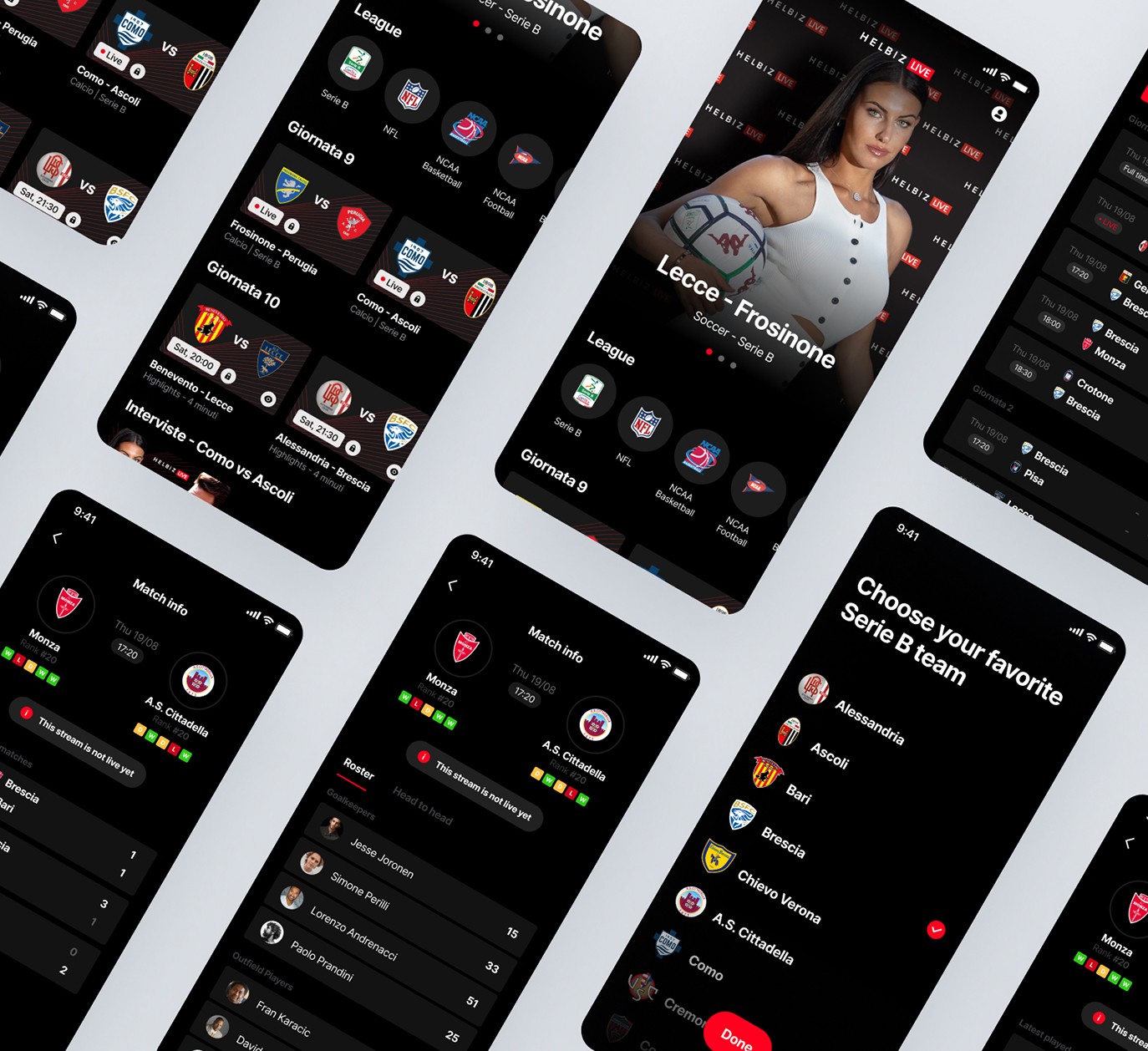
Micromobility was shaped within a wider product environment where movement, convenience, and service access were increasingly connected through one digital system. The challenge was not simply to help users find and unlock a vehicle, but to create a stronger mobility layer inside a broader service model that also extended into delivery, streaming, subscriptions, and everyday urban utility. In that context, the mobility experience had to do more than enable transport. It had to feel immediate, dependable, and habit-forming enough to become one of the core entry points into the wider product landscape.
Industry
Role
Timeline


Context
Helbiz was evolving beyond micromobility alone, bringing together transportation, delivery, and subscription value within a more connected product landscape. That made mobility especially important, because it was often the most frequent and behavior-forming touchpoint in the system. The product therefore needed to support the immediate needs of the rider, while also creating a stronger foundation for familiarity, trust, and repeat use across the wider Helbiz environment.
Experience Logic
The focus was on removing the kind of small breakdowns that make mobility products feel heavier than they should. Access flows, interaction patterns, information hierarchy, and service understanding all needed to support speed without creating uncertainty, especially in moments where users are outdoors, moving quickly, and making decisions in real time. But beyond that, the product also needed to feel like part of something larger. The experience was shaped not as a narrow ride utility, but as a more deliberate behavioral layer within a connected service model designed for repeat engagement and broader adoption.
Final Outcome
The final product created a more coherent mobility experience, one that supported fast access and everyday usability while also strengthening the wider service environment around it. More importantly, it showed how product quality in urban mobility can influence much more than transport alone. When shaped with enough precision, mobility becomes a recurring behavioral anchor, helping users return more often, trust the product more easily, and move through adjacent services with less friction over time.